


White calcium spots on teeth are a common dental concern that can affect both the look and the health of your smile. These spots often appear as small, chalky patches on the enamel and may be linked to a range of issues, from poor oral hygiene to dietary habits. While many people worry about their appearance, these spots also serve as early warning signs of potential oral health problems.
In this article, we will explore the causes, risks, and treatments for white spots on teeth, while also discussing how to prevent them with good oral hygiene habits.
Why Do White Spots Appear on Teeth?
White calcium spots on teeth, also known as white spot lesions, develop when the enamel does not form properly or when minerals like calcium and phosphate are lost from the tooth surface. This process, called demineralization, leaves behind visible spots.
Common causes include:
- Poor oral hygiene: Inadequate brushing and flossing allows plaque and food particles to sit on teeth, leading to enamel changes.
- Wearing braces: Plaque buildup often occurs around brackets, leaving behind calcium spots once braces are removed.
- Poor nutrition: A lack of essential vitamins and minerals can affect how enamel forms.
- Acidic and sugary foods: These weaken enamel and encourage bacteria growth, increasing the risk of white spots.
- Enamel hypoplasia: A condition where enamel forms improperly during childhood, leaving teeth more prone to discoloration.
 The Role of Tooth Enamel in White Spots
 The Role of Tooth Enamel in White Spots
Tooth enamel is the thin layer that protects teeth from damage. While enamel is strong, it cannot repair itself once lost. When plaque and bacteria collect on teeth, acids break down enamel, creating areas of demineralization. These weakened areas appear as white spots before they progress to cavities.
Without proper care, what starts as small spots on teeth can lead to tooth decay, cavities, gum disease, and eventually tooth loss if left untreated.
Risk Factors That Increase White Spot Formation
Certain factors make you more likely to develop white calcium spots on your teeth:
- Braces and orthodontic appliances: Difficulty cleaning around brackets increases plaque buildup.
- Poor dental hygiene: Not brushing or flossing daily allows bacteria to attack enamel.
- Diet high in sugar and acidic foods: These foods speed up enamel erosion.
- Dry mouth: Less saliva means less natural cleaning of teeth.
- Medical conditions: Some illnesses or medications affect how enamel forms or how strong it stays.
Signs That White Spots May Indicate a Bigger Problem
White spots may be harmless in appearance, but they can sometimes signal:
- Early tooth decay: Spots on your teeth can be the first stage before cavities occur.
- Gum disease and tartar buildup: When plaque hardens into tartar, it leads to gum inflammation and periodontal disease.
- Tooth sensitivity: Thinner enamel makes teeth sensitive to hot, cold, or sweet foods.
- Bad breath: Plaque buildup around calcium deposits can contribute to persistent bad breath.
Treatment Options for White Spots on Teeth
A dental professional will first determine the cause before suggesting treatment. Options may include:
Fluoride treatment
Professional fluoride applications can strengthen teeth and remineralize early lesions, helping to prevent spots from worsening.
Tooth whitening
Whitening treatments can blend spots into the surrounding enamel, making them less visible. However, whitening does not remove the underlying cause.
Minimally invasive procedure
Microabrasion removes a thin layer of enamel, polishing away the white spot while maintaining tooth structure.
Dental veneers
In severe cases, veneers cover the front of the tooth, masking white spots while improving overall appearance.
Removing tartar and plaque
Regular professional cleanings help remove tartar buildup, reducing the chance of more spots forming.
How to Prevent White Calcium Spots on Your Teeth
Prevention is always easier than treatment. Here are ways to protect your enamel and reduce your risk:
- Maintain good oral hygiene habits: Brush with fluoride toothpaste at least twice daily and flossing daily to remove plaque between teeth.
- Use an electric toothbrush: This can be more effective at removing plaque buildup compared to manual brushing.
- Visit your dentist regularly: Professional checkups and cleanings help prevent white spots from becoming more serious.
- Limit acidic and sugary foods and drinks: Reduce exposure to soda, juice, candy, and other enamel-weakening foods.
- Follow a balanced diet: Eating calcium-rich foods helps strengthen teeth and enamel.
- Wear braces with care: If undergoing orthodontic treatment, clean carefully around brackets to prevent plaque buildup.
The Link Between White Spots and Gum Health
White calcium spots on teeth may also connect to gum health. Plaque buildup that causes white spots can irritate the gums, leading to gum recession or periodontal disease. Over time, untreated gum disease may result in tooth loss. By keeping your teeth clean, you protect both your enamel and your gums.
When to See a Dentist About White Spots
You should visit a dental professional if: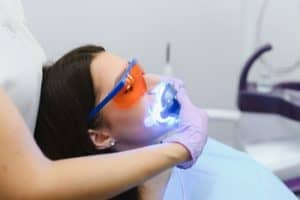
- You notice new white spots on your teeth.
- Spots are growing in size or spreading.
- You experience tooth sensitivity or bad breath.
- You have a history of cavities, gum disease, or poor nutrition.
Dentists can recommend fluoride treatments, tooth whitening, or other minimally invasive procedures to treat spots and strengthen teeth.
Final Thoughts
White calcium spots on teeth are a common issue, but they are not something you should ignore. They often indicate weakened enamel and potential risks like cavities, gum disease, or tooth loss. The good news is that with good oral hygiene, fluoride toothpaste, flossing daily, and regular professional checkups, you can prevent these spots from forming and keep your smile strong and healthy.
If you already have white spots, treatment options like fluoride treatment, whitening, or veneers can help restore your teeth’s appearance and function. Talk with your dentist about the best approach for your dental health and smile goals.
References:
https://www.colgate.com/en-ph/oral-health/developmental-disabilities/how-to-get-rid-of-white-spots-on-teeth
https://www.medicalnewstoday.com/articles/322112
https://my.clevelandclinic.org/health/diseases/23117-calcium-deposits
https://www.healthline.com/health/calcium-deposits-on-teeth
https://www.verywellhealth.com/white-spots-on-teeth-5217730
https://www.philips.co.uk/c-e/pe/oral-hygiene/ohc-tips/white-spots-on-teeth-what-to-do.html


