


Calcium deposits on teeth, known as tartar, are more common than you think. These hardened deposits can lead to gum disease, tooth decay, and other dental problems if left untreated. Many people wonder how to get rid of calcium deposits on teeth safely and effectively. Let’s break it down in a warm, professional, and conversational way.
What Are Calcium Deposits on Teeth, Anyway?
Calcium deposits form when plaque — a sticky layer of bacteria — hardens on the tooth’s surface. Over time, minerals in your saliva combine with plaque, creating calcium buildup that turns into tartar. Once tartar forms, it bonds strongly to tooth enamel and cannot be removed by simple brushing.
These deposits often show up along the gum line, where bacteria love to hide. If ignored, they can irritate the soft tissues around your teeth and lead to gum disease, bleeding gums, and even tooth loss.
Why Should You Worry About Tartar Buildup?
Calcium buildup on teeth can do more than just make your smile look dull. Here’s why you should take it seriously:
- It creates a rough surface on your teeth where more plaque can stick
- It can damage protective enamel, leading to tooth decay
- It irritates gums and may cause gum recession
- It contributes to bad breath
- It increases the risk of periodontal disease
Because these hardened deposits on teeth cannot be brushed away, they must be removed by a dental professional.
How Do Dentists Remove Calcium Deposits?
If you already have tartar buildup, only a dental professional can remove it. Here’s how they do it:
Professional Cleaning
Your dental hygienist uses special tools during a professional cleaning to remove calcium deposits on teeth. This is often called scaling. The hygienist carefully scrapes away the hardened deposits without damaging your tooth enamel.
Scaling and Root Planing
For more advanced buildup under the gum line, your dentist may recommend scaling and root planing. This deep cleaning treatment goes beneath the gums to remove tartar and bacteria on the tooth roots. Local anesthesia is usually given to keep you comfortable during the procedure.
Scaling and root planing help smooth the tooth’s surface, making it harder for plaque to collect in the future.
Can You Remove Calcium Deposits at Home?
It’s natural to wonder if you can remove calcium deposits yourself. Unfortunately, once tartar forms, home care will not remove it. Brushing and flossing can remove plaque before it hardens, but after it mineralizes into tartar, you need professional help.
Scrapping it off yourself can damage your tooth enamel or injure your gums. That’s why it’s always safer to let a dental professional handle it.
Preventing Calcium Deposits on Teeth
While you can’t remove tartar at home, you can prevent calcium deposits from forming in the first place. Here’s how:
Practice Good Oral Hygiene
- Brush at least twice a day with a fluoride toothpaste
- Floss daily to clean between teeth and along the gum line
- Use an antibacterial mouthwash to control bacteria
- Consider using an electric toothbrush for more effective plaque removal
Watch Your Diet
- Limit sugary foods that encourage plaque
- Avoid acidic foods that can weaken protective enamel
- Choose a balanced diet rich in calcium, phosphorus, and vitamin D to strengthen teeth
Visit Your Dentist Regularly
Professional cleanings every six months are crucial to remove tartar before it causes gum disease. Your dental hygienist can catch hardened deposits early and protect your oral health.
Spotting the Signs of Calcium Buildup
Sometimes calcium deposits are hard to see, but here are a few clues to look out for:
- Yellow or brownish hard spots on your teeth
- Bleeding gums, especially when brushing or flossing
- Gum recession
- Chronic bad breath
- Rough tooth surfaces
If you notice these signs, it may be time to schedule a dental visit.
What Happens If You Ignore Tartar?
Leaving tartar untreated can lead to serious dental problems: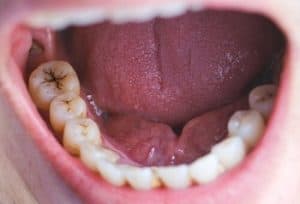
- Advanced gum disease (periodontitis)
- Gum recession exposing tooth roots
- Tooth loss from damaged supporting bone
- Painful infections
- Persistent bad breath
The longer calcium deposits stay on your teeth, the more damage they can do. Early removal is the best way to protect your smile.
Final Thoughts on Maintaining a Healthy Smile
When it comes to how to get rid of calcium deposits on teeth, the answer is clear: you need a dental professional. Scaling, root planing, and professional cleanings are the only safe ways to remove hardened tartar.
But the real secret is prevention. Practicing good oral hygiene, eating a balanced diet, and visiting your dentist regularly can help you avoid calcium buildup on teeth altogether. Remember, prevention is far easier — and more comfortable — than treatment.
If you notice rough surfaces, bleeding gums, or other signs of tartar, don’t wait. Schedule a dental checkup and get those calcium deposits removed before they lead to bigger problems.
Healthy teeth and gums are an investment that pays off for life. Keeping them clean and strong is a commitment worth making.
References:
https://www.verywellhealth.com/calcium-deposits-on-teeth-5214633
https://my.clevelandclinic.org/health/diseases/25102-tartar
https://www.medicalnewstoday.com/articles/324341
https://www.colgate.com/en-us/oral-health/plaque-and-tartar/how-to-prevent-calcium-buildup-on-teeth
https://www.healthline.com/health/calcium-deposits-on-teeth


